
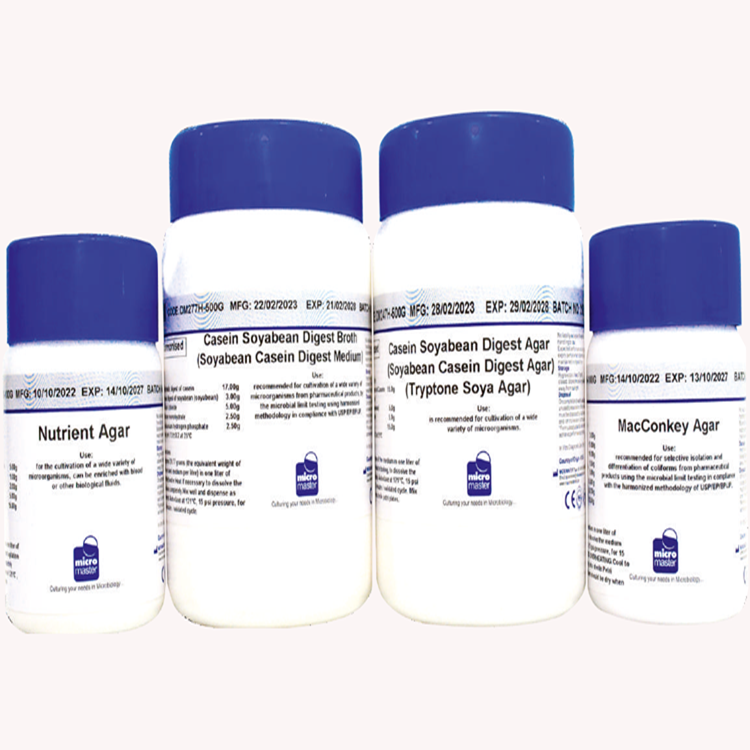
Enterobacteria Enrichment Broth, Mossel
Pack Size: 500gm
Brand: Micro Master
Origin: India
Intended Use
Enterobacteria Enrichment Broth, Mossel (DM616H) is recommended for selective enrichment of Enterobacteriaceae from pharmaceutical products using the microbial limit testing in compliance with the harmonized methodology of USP/EP/BP/JP.
Product Summary and Explanation
The enumeration of Enterobacteriaceae is of great concern in monitoring the sanitary condition of food. The Enterobacteriaceae family consists of Salmonella, Shigella and other enteric pathogens. These organisms find entry into the foodsystem through faecally contaminated water. Enterobacteriaceae can be injured in food-processing procedures, which include exposure to low temperatures, sub-marginal heat, drying, radiation, preservatives or sanitizers. Recovery relies on proper resuscitation of damaged cells.(1) The resuscitation procedure is recommended for dried foods,(2) animal feeds(3) and semi-preserved foods.(4) Mossel et al(5) formulated EE Broth, Mossel, which is recommended as an enrichment medium for bile tolerant gram-negative bacteria in the biological examination of foods, animal feed stuffs.(5,6) This medium is prepared in accordance with the harmonized method of USP/EP/BP/JP/IP.(7,8,9,10,11)
Principles of the Procedure
Enterobacteria Enrichment Broth, Mossel contains pancreatic digest of gelatin and glucose monohydrate which provides nitrogen, vitamins and amino acids for the growth of members of Enterobacteriaceae. Brilliant green and ox bile, purified are selective agents which inhibit the growth of gram-positive bacteria. Phosphates form the buffering system of the medium and neutralizes acids produced by lactose fermenters that otherwise would adversely affect the growth of the organism. Lactose is replaced by glucose in this medium as lactose negative, anaerogenic lactose-positive or late lactose fermenting Enterobacteriaceae are often missed by the standard Coli-aerogenes test. The cells damaged while drying or low pH is resuscitated in well-aerated Soybean Casein Digest Broth (DM277H) for 2 hours at 25°C prior to enrichment in EE Broth.
Formula / Liter
| Ingredients | : Gms / Liter |
| Pancreatic digest of gelatin | : 10.00 |
| Glucose monohydrate | : 5.00 |
| Dehydrated ox-bile | : 20.00 |
| Disodium hydrogen phosphate, dihydrate | : 8.00 |
| Potassium dihydrogen phosphate | : 2.00 |
| Brilliant green | : 0.015 |
| Final pH: 7.2 ± 0.2 at 25°C | |
| Formula may be adjusted and/or supplemented as required to meet performance specifications | |
Precautions
1. For Laboratory Use only.
2. IRRITANT. Irritating to eyes, respiratory system, and skin.
Directions
1. Suspend 42.93 grams (the equivalent weight per liter) of the medium in one liter of purified/distilled water.
2. Dispense 120 ml amounts in 250 ml flasks or 9 ml amounts in tubes. Stopper with cotton plugs or loose fitting caps.
3. Heat in free for 30 flowing steam or boiling water (100°C) for 30 minutes and cool immediately.
4. DO NOT AUTOCLAVE.
Quality Control Specifications
| Dehydrated Appearance | : Light yellow to greenish yellow homogeneous free flowing powder | |
| Prepared Medium | : Emerald green coloured, clear solution without any precipitate | |
| Reaction of % Solution | : Not Applicable | |
| Gel Strength | : Not Applicable | |
Growth Promotion Test
Growth Promotion is carried out in accordance with the harmonized method of USP/EP/BP/JP/IP. Cultural response was observed after an incubation at 30-35°C for specified time.
Growth promoting properties
Clearly visible growth of microorganism comparable to that previously obtained with previously tested and approved lot of medium occurs at the specified temperature for not more than the shortest period of time specified inoculating <=100 cfu (at 30-35°C for <=24 hours).
Inhibitory properties
No growth of the test microorganism occurs for the specified temp for not less than longest period of time specified inoculating >= 100cfu (at 30-35°C for >= 48 hours).
Expected Cultural Response: Cultural response was observed after an incubation at 30-35°C for 24-48 hours.
| Sr. No. |
Organisms | Results to be achieved | |||||
| Inoculum (CFU) |
Growth | Acid | Incubation Temperature |
Incubation period |
|||
| Growth Promoting | |||||||
| 1. | Escherichia coli ATCC 8739 |
50-100 | good-luxuriant | positive reaction, yellow colour |
30-35°C | <=24 hrs | |
| 2. | Pseudomonas aeruginosa ATCC 9027 |
50-100 | good-luxuriant | —- | 30-35°C | <=24 hrs | |
| Inhibitory | |||||||
| 3. | Staphylococcus aureus ATCC 6538 |
>=10³ | inhibited | —- | 30-35°C | <=48 hrs | |
| Additional Microbiological Testing | |||||||
| 4. | Escherichia coli ATCC 25922 |
50-100 | good-luxuriant | positive reaction, yellow colour |
30-35°C | 24-48 hrs | |
| 5. | Escherichia coli NCTC 9002 |
50-100 | good-luxuriant | positive reaction, yellow colour |
30-35°C | 24-48 hrs | |
| 6. | Pseudomonas aeruginosa ATCC 27853 |
50-100 | good-luxuriant | —- | 30-35°C | 24-48 hrs | |
| 7. | Enterobacter aerogenes ATCC 14028 |
50-100 | good-luxuriant | positive reaction, yellow colour |
30-35°C | 24-48 hrs | |
| 8. | Proteus mirabilis ATCC 25933 |
50-100 | good-luxuriant | positive reaction, yellow colour |
30-35°C | 24-48 hrs | |
| 9. | Salmonella Enteritidis ATCC 13076 |
50-100 | good-luxuriant | positive reaction, yellow colour |
30-35°C | 24-48 hrs | |
| 10. | Shigella boydii ATCC 12030 |
50-100 | good-luxuriant | negative reaction | 30-35°C | 24-48 hrs | |
| 11. | Staphylococcus aureus ATCC 25923 |
>=10³ | inhibited | —- | 30-35°C | >=48 hrs | |
The organisms listed are the minimum that should be used for quality control testing.
Test Procedure
1. EE Broth is an enrichment broth and should be used in conjunction with Violet Red Bile Glucose Agar (DM287H). A loopful of the enriched sample from EE Broth is subcultured onto Violet Red Bile Glucose Agar (DM287H) after an initial incubation at 30-35°C for 24 hours.
2. Typical pink colonies from MH581 are subcultured for biochemical confirmation by oxidase and fermentation reactions.(7) Decimal dilutions of the food homogenate are used if the expected counts are high or else initial suspension is used. EE Broth, Mossel (DM616H)
3. Refer to appropriate references for standard test procedures.
Results
1. A positive reaction results in acid production which causes the colour of EE Broth Mossel to become yellow.
2. A negative reaction results in no colour change and the medium remains green.
Storage
Store the sealed bottle containing the dehydrated medium at 10-30°C. Once opened and recapped, place container in a low humidity environment at the same storage temperature. Protect from moisture and light.
Expiration
Refer to the expiration date stamped on the container. The dehydrated medium should be discarded if not free flowing, or if the appearance has changed from the original color. Expiry applies to medium in its intact container when stored as directed.
Limitations of the Procedure
1. Some strains may grow poorly or fail to grow on this medium.
2. For identification, organisms must be in pure culture. Morphological, biochemical and/or serological tests should be performed for final identification.
3. Consult appropriate texts for detailed information and recommended procedures.
Related products

Top rated products
-
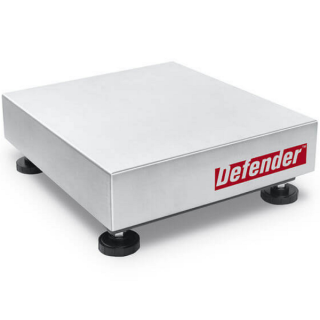 Bench Scale, 10 g - 60 kg, OHAUS, USA
-
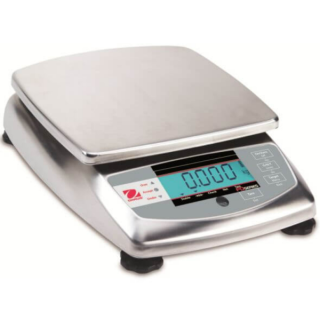 Bench Scale, 1 g - 15 kg, OHAUS, USA
৳ 149,058.00
Bench Scale, 1 g - 15 kg, OHAUS, USA
৳ 149,058.00
-
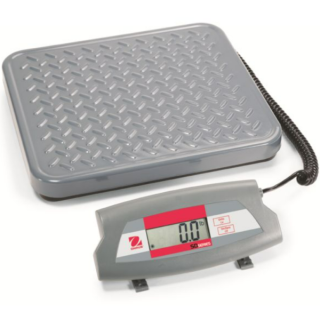 Shipping Scale, 100 g - 200 kg, OHAUS, USA
৳ 53,508.00
Shipping Scale, 100 g - 200 kg, OHAUS, USA
৳ 53,508.00
-
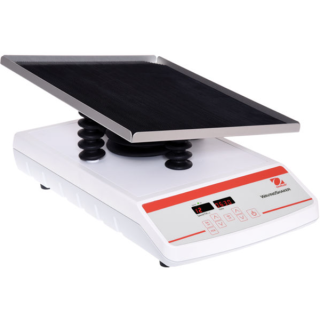 Digital Waving Shaker
৳ 342,706.00
Digital Waving Shaker
৳ 342,706.00
-
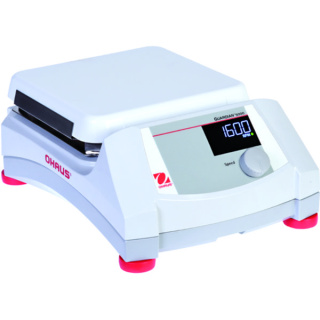 Guardian 5000 Stirrer
৳ 117,972.00
Guardian 5000 Stirrer
৳ 117,972.00
-
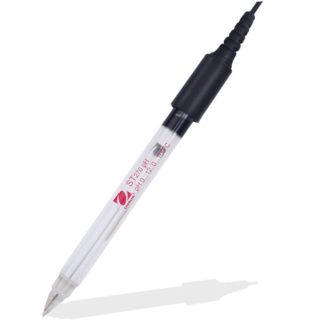 2 in 1 non-refillable puncture pH electrode, glass shaft, suitable for samples such as meat, fruit etc
৳ 74,656.00
2 in 1 non-refillable puncture pH electrode, glass shaft, suitable for samples such as meat, fruit etc
৳ 74,656.00
-
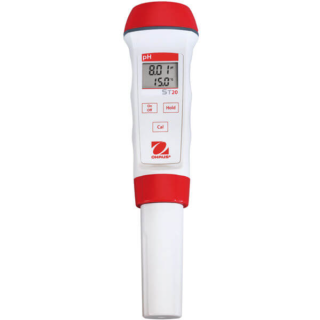 pH Pen Meter, Resolution 0.01 pH, Temperature Display
৳ 39,494.00
pH Pen Meter, Resolution 0.01 pH, Temperature Display
৳ 39,494.00
-
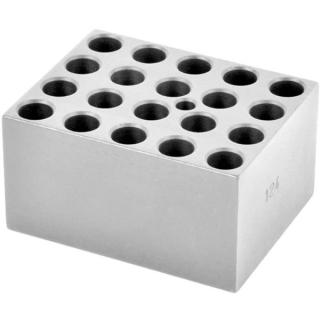 12 mm vial Block
-
 46 × 46 cm Dedicated Platform, 1 L Flask Clamp
-
 Half Body CPR Training Model (Female)
Reviews
There are no reviews yet.