

Buffered Sodium Chloride-Peptone Solution pH 7.0 (Pack of 9ml x 25 bottles)
Pack Size: 500gm
Brand: Micro Master
Origin: India
Intended Use
Buffered Sodium Chloride-Peptone Solution (BL004H) pH 7.0 is recommended as a diluent for carrying out microbial limit testing by harmonized methodology of pharmaceutical products in accordance with USP/EP/BP/JP/IP.
Product Summary and Explanation
Buffered Sodium chloride peptone solution pH 7.0 is a diluent used to prepare stable test strain suspension employed for validating the microbiological testing procedures for non-sterile products. It’s also used to suspend and dissolve test samples like non-fatty products insoluble in water and water-soluble products. The composition of this medium is in accordance with the harmonized methodology of USP/EP/BP/JP/IP. The standardized stable suspensions are used so that the suitability of this test to detect microorganisms in the presence of products can be established. Preparation of test strain is recommended in Buffered Sodium Chloride-Peptone solution pH 7.0 at 30-35°C wherein there is no multiplication of organisms or there is no decrease in count for up to 4 hours.
Principles of the Procedure
Buffered Sodium chloride peptone solution pH 7.0 contains Peptone which serves as nutrient source and maintains the cell viability. Phosphates in the medium act as good buffering agents. Sodium chloride maintains the osmotic balance and cell integrity. Polysorbates reduce surface tension and inactivate phenolic compounds, only if present in the test sample only.
Formula / Liter
| Ingredients | : G / L |
| Potassium dihydrogen phosphate | : 3.60 |
| Disodium hydrogen phosphate dihydrate | : 7.20 |
| Sodium chloride | : 4.30 |
| Peptone | : 1.00 |
| Final pH: 7.0 at 25°C | |
| Formula may be adjusted and/or supplemented as required to meet performance specifications | |
Precautions
1. Bottled media are For in vitro Diagnostic Use only.
2. Directions for use should be read on product label and followed carefully.
3. Observe aseptic techniques and established precautions against microbiological hazards throughout all procedures, since it must be assumed that all specimens/samples collected might contain infectious microorganisms.
Product Deterioration
Do not use bottles if they show evidence of microbial contamination as turbidity, discoloration, drying, or other signs of deterioration.
Directions
Label the bottle. Inoculate the bottle with sample aseptically and incubate at specified temperature and time.
Quality Control Specifications
| Appearance | : Sterile clear Buffered Sodium Chloride Peptone Solution in bottle. | |
| Colour | : Colorless solution. | |
| pH | : 7.00 at 25°C | |
| Quantity of medium | : 9ml of medium in bottles | |
| Sterility Check | : Passes release criteria. | |
Expected Cultural Response: Cultural characteristics observed after recovery on Soybean Casein Digest Agar after an incubation at 30-35°C for 18-24 hours for bacteria and Sabouraud Dextrose Agar at 20-25°C for <= 5 days for fungi.
Expected Cultural Response:
| Sr. No. |
Organisms | Results to be achieved | |||
| Inoculum (CFU) |
Recovery within 2 hours of incubation (stored at 2-8°C) |
Recovery within 4 hours of incubation (stored at 2-8°C) |
Recovery within 24 hours of incubation (stored at 2-8°C) |
||
| 1. | Escherichia coli ATCC 8739 | 50-100 | No decrease in colony count |
No decrease in colony count |
No decrease in colony count |
| 2. | Escherichia coli ATCC 25922 | 50-100 | No decrease in colony count |
No decrease in colony count |
No decrease in colony count |
| 3. | Staphylococcus aureus subsp. aureus ATCC 6538 |
50-100 | No decrease in colony count |
No decrease in colony count |
No decrease in colony count |
| 4. | Staphylococcus aureus subsp. aureus ATCC 25923 |
50-100 | No decrease in colony count |
No decrease in colony count |
No decrease in colony count |
| 5. | Pseudomonas aeruginosa ATCC 27853 |
50-100 | No decrease in colony count |
No decrease in colony count |
No decrease in colony count |
| 6. | Salmonella Typhimurium ATCC 14028 |
50-100 | No decrease in colony count |
No decrease in colony count |
No decrease in colony count |
| 7. | Candida albicans ATCC 10231 |
50-100 | No decrease in colony count |
No decrease in colony count |
No decrease in colony count |
| 8. | Candida albicans ATCC 2091 |
50-100 | No decrease in colony count |
No decrease in colony count |
No decrease in colony count |
The organisms listed are the minimum that should be used for quality control testing.
Test Procedure
Refer appropriate references for standard test procedures.
Results
Refer appropriate references and procedures for interpretation of results.
Storage
On receipt, store product at 15-30°C. Media containing dyes should be protected from light.
Expiration
Refer to the expiration date stamped on the pack.
Product Disposal
After use, prepared tubes, specimen/sample containers and other contaminated materials must be sterilized before discarding.
Limitations of the Procedure
1. Consult appropriate texts for detailed information and recommended procedures.
2. This medium contains less nutrients and is not recommended for the growth of microorganisms.
Related products


Top rated products
-
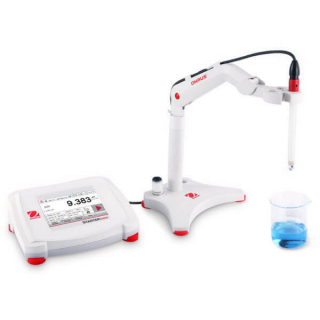 pH / ORP Meter, Bench Type, -2.00 – 20.00 pH, OHAUS, USA
৳ 421,694.00
pH / ORP Meter, Bench Type, -2.00 – 20.00 pH, OHAUS, USA
৳ 421,694.00
-
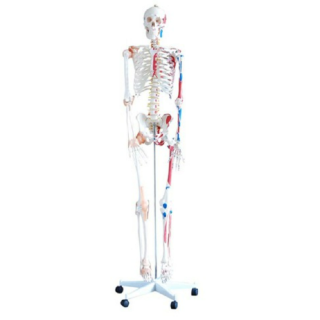 Skeleton with Muscles and Ligaments 180cm Tall
-
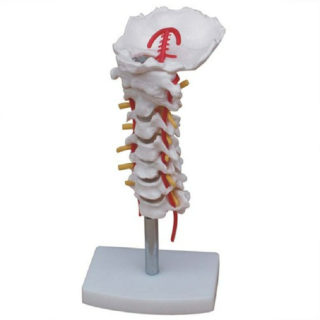 Cervical Vertebral Column with Neck Artery
-
 New Style Brain Model 9 Parts
-
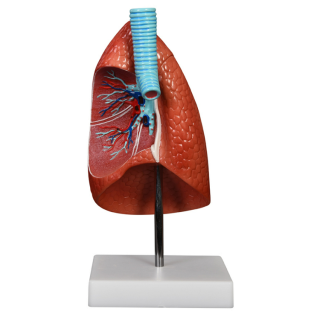 Lung Model 1 Part
-
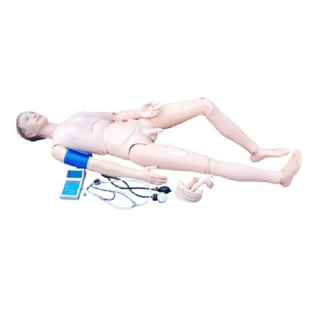 Advanced Nurse Training Doll with Blood Pressure Training Arm (male/female)
-
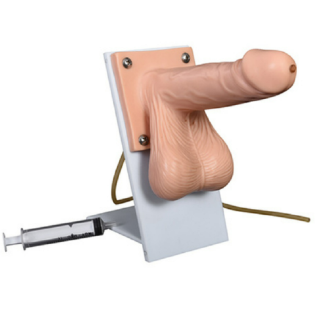 Male Condom Simulator
-
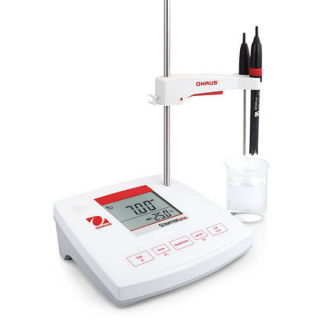 pH Meter, Bench Type, OHAUS, USA
-
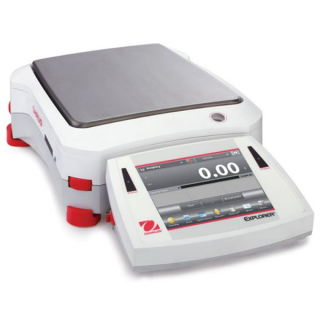 Precision Balance, 0.1 g - 6,200 g, OHAUS, USA
৳ 740,194.00
Precision Balance, 0.1 g - 6,200 g, OHAUS, USA
৳ 740,194.00
-
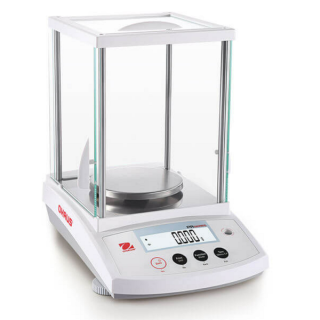 Precision Balance, 0.001 g - 420 g, OHAUS, USA
৳ 244,608.00
Precision Balance, 0.001 g - 420 g, OHAUS, USA
৳ 244,608.00
Reviews
There are no reviews yet.