
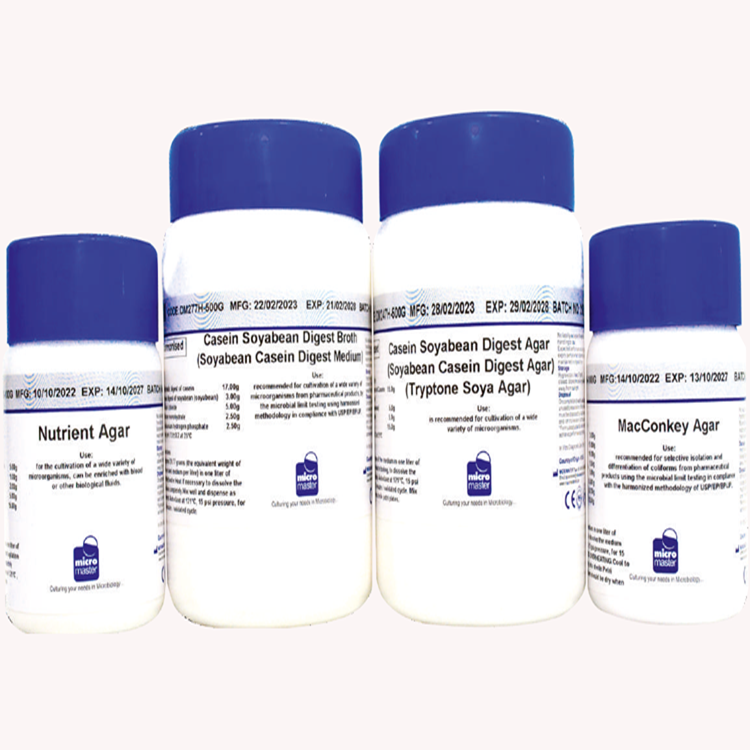
R2A Broth
Pack Size: 500gm
Brand: Micro Master
Origin: India
Intended Use
R2A Broth (DM1403) is recommended for cultivation and maintenance of heterotrophic bacteria from potable water.
Product Summary and Explanation
R2A media (Reasoner´s 2A) was developed for culturing heterotrophic bacteria that inhabit treated potable water. Nutritionally rich media, such as Plate Count Agar, support the growth of fast-growing bacteria, but may suppress the slow growing or stressed bacteria found in treated water.(1) For this reason a nutritionally reduced medium was described. R2A Agar is a modification of this medium.(2,3) R2A is a low nutrient medium that in combination with a lower incubation temperature and longer incubation time will stimulate the growth of stressed and chlorine-tolerant bacteria. R2A Agar is also recommended by APHA(4) for pour plate, spread plate and membrane filter technique. R2A Broth is similar to R2A Agar except agar. Total count recommended for the bacterial examination of potable waters gives an estimate of the aerobic and facultative anaerobic bacteria, which grow best at 35°C in a rich medium.(3) R2A Broth enables better recovery of these bacteria from treated waters under different incubation conditions. Many bacteria from natural waters, which contain limited nutrients at ambient temperature, grow best on the media with less nutrient levels and at the temperatures below the routine laboratory incubation temperatures.(3)
Principles of the Procedure
R2A Broth contains casein acid hydrolysate, proteose peptone serves as source of nitrogen, vitamins, amino acids, carbon and minerals and essential growth factors required for metabolism of the bacteria. Yeast extract provides a source of trace elements and vitamins. Dextrose is the carbon and energy source. Starch acts as a neutralizer that neutralizes any toxic metabolites, if present. Potassium phosphate is used to balance the pH and provide a source of phosphate. Sodium pyruvate supplies additional nutrition and increases the recovery of stressed cells. Magnesium sulphate serves as a source of ions. Due to the presence of the above mentioned ingredients these media allow the growth of stressed and chlorine tolerant bacteria present in treated waters.
Formula / Liter
| Ingredients | : Gms / Liter |
| Casein acid hydrolysate | : 0.50 |
| Yeast extract | : 0.50 |
| Proteose peptone | : 0.50 |
| Dextrose | : 0.50 |
| Starch, soluble | : 0.50 |
| Dipotassium phosphate | : 0.30 |
| Magnesium sulphate | : 0.024 |
| Sodium pyruvate | : 0.30 |
| Final pH: 7.2 ± 0.2 at 25°C | |
| Formula may be adjusted and/or supplemented as required to meet performance specifications | |
Precautions
1. For Laboratory Use only.
2. IRRITANT. Irritating to eyes, respiratory system, and skin.
Directions
1. Suspend 3.12 grams of the medium in one liter of distilled water.
2. Heat if necessary to dissolve the medium completely.
3. Dispense into tubes.
4. Autoclave at 121°C, 15 psi pressure, for 15 minutes / validated cycle.
5. DO NOT OVERHEAT.
Quality Control Specifications
| Dehydrated Appearance | : Cream to yellow homogeneous free flowing powder |
| Prepared Medium | : Yellow coloured, clear solution in tubes |
| Reaction of 0.312% Solution | : pH: 7.2 ± 0.2 at 25°C |
| Gel Strength | : Not Applicable |
Expected Cultural Response: Cultural characteristics observed *by using standard ATCC cultures after an incubation at 35-37°C for 24-72 hours. (*-In case of water samples from fields it is suggested to incubate further for upto 7 days to ascertain the absence of organisms)
| Sr. No. |
Organisms | Results to be achieved | |
| Inoculum(CFU) | Growth | ||
| 1. | Candida albicans ATCC 10231 | 50-100 | good-luxuriant |
| 2. | Enterococcus faecalis ATCC 29212 | 50-100 | good-luxuriant |
| 3. | Escherichia coli ATCC 25922 | 50-100 | good-luxuriant |
| 4. | Salmonella Enteritidis ATCC 13076 | 50-100 | good-luxuriant |
| 5. | Salmonella Typhi ATCC 6539 | 50-100 | good-luxuriant |
The organisms listed are the minimum that should be used for quality control testing.
Test Procedure
Refer to appropriate references for standard test procedures.
Results
Refer to appropriate references and test procedures for interpretation of results.
Storage
Store the sealed bottle containing the dehydrated medium at 10 – 30°C. Once opened and recapped, place container in a low humidity environment at the same storage temperature. Protect from moisture and light.
Expiration
Refer to the expiration date stamped on the container. The dehydrated medium should be discarded if not free flowing, or if the appearance has changed from the original color. Expiry applies to medium in its intact container when stored as directed.
Limi tations of the Procedure
1. For identification, organisms must be in pure culture. Morphological, biochemical and/or serological tests should be performed for final identification.
2. Consult appropriate texts for detailed information and recommended procedures.
Related products



Top rated products
-
 Bench Scale, 10 g - 60 kg, OHAUS, USA
93,002.00৳
Bench Scale, 10 g - 60 kg, OHAUS, USA
93,002.00৳
-
 Bench Scale, 2 g - 15 kg, OHAUS, USA
-
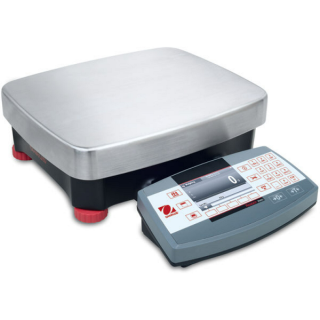 Bench Scale, 0.5 g - 35 kg, OHAUS, USA
-
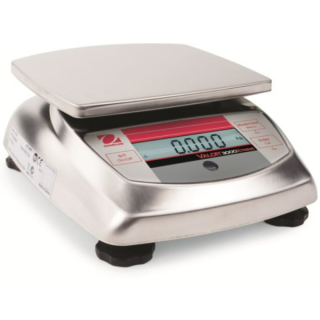 Bench Scale, 1 g - 3 kg, OHAUS, USA
78,988.00৳
Bench Scale, 1 g - 3 kg, OHAUS, USA
78,988.00৳
-
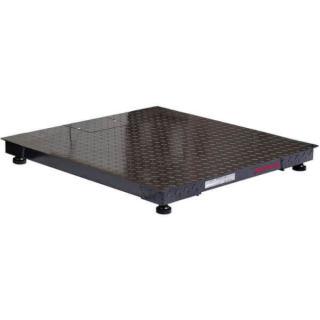 Floor Scale, 0.5 kg - 1,500 kg, OHAUS, USA
355,446.00৳
Floor Scale, 0.5 kg - 1,500 kg, OHAUS, USA
355,446.00৳
-
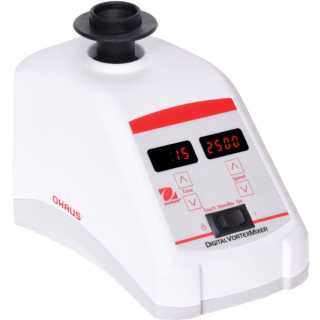 Digital Vortex Mixer
102,684.00৳
Digital Vortex Mixer
102,684.00৳
-
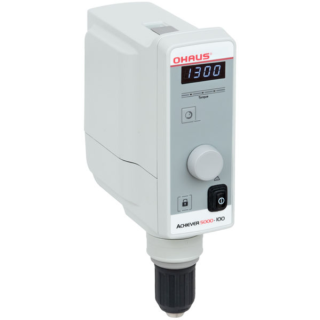 Overhead Stirrer 30-1300 rpm
532,532.00৳
Overhead Stirrer 30-1300 rpm
532,532.00৳
-
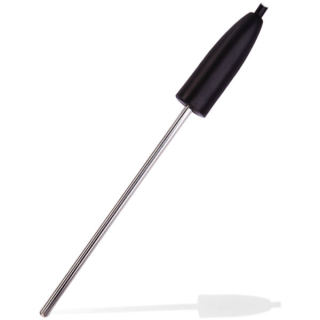 Temperature probe 30 kΩ, stainless steel shaft, temperature range 0 – 100°C
27,518.00৳
Temperature probe 30 kΩ, stainless steel shaft, temperature range 0 – 100°C
27,518.00৳
-
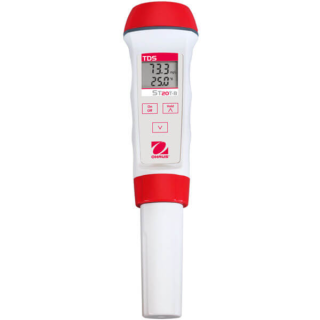 TDS Pen Meter, Measurement Range 0.0 - 1000 mg/L, Temperature Display
40,004.00৳
TDS Pen Meter, Measurement Range 0.0 - 1000 mg/L, Temperature Display
40,004.00৳
-
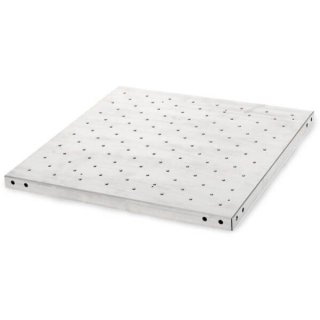 33 × 33 cm Universal Platform
75,420.00৳
33 × 33 cm Universal Platform
75,420.00৳
Reviews
There are no reviews yet.