
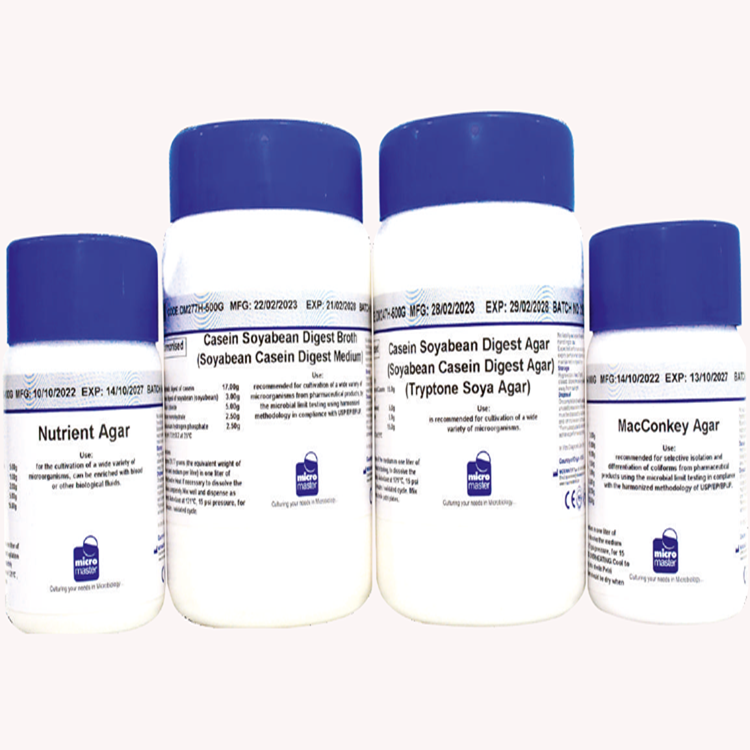
Triple Sugar Iron Agar
Pack Size: 500gm
Brand: Micro Master
Origin: India
Intended Use
Triple Sugar Iron Agar (DM254) is used for the differentiation of microorganisms on the basis of dextrose, lactose, and sucrose fermentation and hydrogen sulfide production.
Product Summary and Explanation
In 1911, Russell described the use of two sugars in a medium to differentiate Gram-negative organisms of intestinal origin(1) Lead or iron salts were added to Russell’s medium to detect the presence of hydrogen sulfide. Kligler added lead acetate to Russell Double Sugar Agar, resulting in a medium capable of differentiating typhoid, paratyphoid, and dysentery(2,3). A modification of this medium was developed, Kligler Iron Agar, using Phenol Red as an indicator and iron salts to detect hydrogen sulfide production. In 1940, Sulkin and Willett described a triple sugar ferrous sulfate medium for use in identification of enteric organisms(4). Triple Sugar Iron Agar is essentially the formula originally described by Sulkin and Willett(4). Hajna developed the formulation for TSI Agar by adding sucrose to the double sugar (dextrose and lactose) formulation of Kligler Iron Agar(10). The addition of sucrose increased the sensitivity of the medium by facilitating the detection of sucrose-fermenting bacilli, as well as lactose and/or dextrose fermenters. Carbohydrate fermentation is detected by the presence of gas and a visible color change (from red to yellow) of the pH indicator, phenol red. The production of hydrogen sulfide is indicated by the presence of a precipitate that blackens the medium in the butt of the tube.
Triple Sugar Iron Agar is recommended for differentiation of enteric, Gram-negative bacilli from clinical specimens, dairy samples, and food products(5-7).
Principles of the Procedure
Casein enzymic hydrolysate, Peptic digest of animal tissue, Enriched with Yeast & Beef extract, provides the nitrogen, carbon, and vitamins required for organism growth. TSI Agar contains three sugars (dextrose, lactose and sucrose), phenol red for detecting carbohydrate fermentation and ferrous ammonium sulfate for detection of hydrogen sulfide production (indicated by blackening in the butt of the tube). Carbohydrate fermentation is indicated by the production of gas and a change in the color of the pH indicator from red to yellow. To facilitate the detection of organisms that only ferment dextrose, the dextrose concentration is one-tenth the concentration of lactose or sucrose. The small amount of acid produced in the slant of the tube during dextrose fermentation oxidizes rapidly, causing the medium to remain red or revert to an alkaline pH. In contrast, the acid reaction (yellow) is maintained in the butt of the tube because it is under lower oxygen tension. After depletion of the limited dextrose, organisms able to do so will begin to utilize the lactose or sucrose(11) To enhance the alkaline condition of the slant, free exchange of air must be permitted by closing the tube cap loosely. If the tube is tightly closed, an acid reaction (caused solely by dextrose fermentation) will also involve the slant.
Formula / Liter
| Ingredients | : Gms / Litre |
| Peptic digest of animal tissue | : 10.00 |
| Casein enzymic hydrolysate | : 10.00 |
| Yeast extract | : 3.00 |
| Beef extract | : 3.00 |
| Lactose | : 10.00 |
| Sucrose | : 10.00 |
| Dextrose | : 1.00 |
| Sodium chloride | : 5.00 |
| Ferrous sulphate | : 0.20 |
| Sodium thiosulphate | : 0.30 |
| Phenol red | : 0.024 |
| Agar | : 12.00 |
| Final pH: 7.4 ± 0.2 at 25°C | |
| Formula may be adjusted and/or supplemented as required to meet performance specifications | |
Precautions
1. For Laboratory Use only.
2. IRRITANT. Irritating to eyes, respiratory system, and skin.
Directions
1. Suspend 64.52 g of the medium in one liter of deionized water.
2. Heat with frequent agitation and boil for one minute to completely dissolve the medium.
3. Dispense into tubes and autoclave at 121°C for 15 minutes.
4. Cool in a slanted position so that deep butts are formed.
5. Test samples of the finished product for performance using stable, typical control cultures.
Quality Control Specifications
| Dehydrated Appearance | : Light yellow to pink, homogeneous, free flowing powder |
| Prepared Medium | : Pinkish red coloured clear to slightly opalescent gel forms in tubes as slants. |
| Reaction of 6.45% Solution | : pH 7.4 + 0.2 at 25°C |
| Gel Strength | : Firm, compared to 1.2% Agar Gel. |
Expected Cultural Response: Cultural response on Triple Sugar Iron Agar at 35-37°C after 18-24 hours incubation.
| Sr. No. |
Organisms | Results to be achieved | |||||
| Inoculum (CFU) |
Growth | Slant | Butt | Gas | H2S Blackening Of Medium |
||
| 1. | Citrobacter freundii ATCC 8090 |
50-100 | Luxuriant | Yellow colour Acidic reaction |
Yellow colour Acidic reaction |
Positive reaction |
Positive reaction |
| 2. | Enterobacter aerogenes ATCC 13048 |
50-100 | Luxuriant | Yellow colour Acidic reaction |
Yellow colour Acidic reaction |
Positive reaction |
Negative reaction |
| 3. | Escherichia coli ATCC 25922 |
50-100 | Luxuriant | Yellow colour Acidic reaction |
Yellow colour Acidic reaction |
Positive reaction |
Negative reaction |
| 4. | Klebsiella pneumoniae ATCC 13883 |
50-100 | Luxuriant | Yellow colour Acidic reaction |
Yellow colour Acidic reaction |
Positive reaction |
Negative reaction |
| 5. | Proteus vulgaris ATCC 6380 |
50-100 | Luxuriant | Red colour Alkaline reaction |
Yellow colour Acidic reaction |
Negative reaction |
Positive reaction |
| 6. | Salmonella paratyphi A ATCC 9150 |
50-100 | Luxuriant | Red colour Alkaline reaction |
Yellow colour Acidic reaction |
Positive reaction |
Negative reaction |
| 7. | Salmonella typhi ATCC 6539 |
50-100 | Luxuriant | Red colour Alkaline reaction |
Yellow colour Acidic reaction |
Negative reaction |
Positive reaction |
| 8. | Salmonella typhimurium ATCC 14028 |
50-100 | Luxuriant | Red colour Alkaline reaction |
Yellow colour Acidic reaction |
Positive reaction |
Positive reaction |
| 9. | Shigella flexneri ATCC 12022 |
50-100 | Luxuriant | Red colour Alkaline reaction |
Yellow colour Acidic reaction |
Negative reaction |
Negative reaction |
| 10. | Escherichia coli ATCC 8739 |
50-100 | Luxuriant | Yellow colour Acidic reaction |
Yellow colour Acidic reaction |
—- | Negative reaction |
| 11. | Escherichia coli NCTC 9002 |
50-100 | Luxuriant | Yellow colour Acidic reaction |
Yellow colour Acidic reaction |
Positive reaction |
Negative reaction |
| 12. | Klebsiella pneumoniae ATCC 10031 |
50-100 | Luxuriant | Yellow colour Acidic reaction |
Yellow colour Acidic reaction |
Positive reaction |
Negative reaction |
| 13. | Salmonella enteritidis ATCC 13315 |
50-100 | Luxuriant | Red colour Alkaline reaction |
Yellow colour Acidic reaction |
Positive reaction |
Positive reaction |
| 14. | Salmonella abony NCTC 6017 |
50-100 | Luxuriant | Red colour Alkaline reaction |
Yellow colour Acidic reaction |
Positive reaction |
Positive reaction |
| 15. | Pseudomonas aeruginosa ATCC 27853 |
50-100 | Luxuriant | Red colour Alkaline reactio |
Red colour Alkaline reactio |
Negative reaction |
Negative reaction |
The organisms listed are the minimum that should be used for quality control testing.
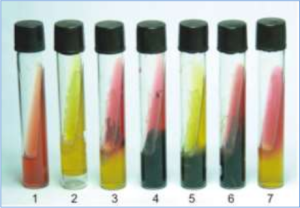 Reactions on TSI Agar
1. Control
2. Escherichia coli ATCC 25922
3. Salmonella typhi ATCC 6539
4. Proteus vulgaris ATCC 13315
5. Citrobacter freundii ATCC 8090
6. Salmonella typhimurium ATCC 14028
7. Shigella flexineri ATCC 12022
Test Procedure
1. To inoculate, carefully touch only the center of an isolated colony on an enteric plated medium with a cool, sterile needle, stab into the medium in the butt of the tube, and then streak back and forth along the surface of the slant.
2. Several colonies from each primary plate should be studied separately, since mixed infections may occur.
3. Incubate with caps loosened at 35°C and examine after 18-24 hours for carbohydrate fermentation, gas production and hydrogen sulfide production.
4. Any combination of these reactions may be observed.
5. Do not incubate longer than 24 hours because the acid reaction in the slant of lactose and sucrose fermenters may revert to an alkaline reaction.
6. However for specific procedures, refer to appropriate references using Triple Sugar Iron Agar.
Results
1. Reactions produced by the unknown isolate should be compared with those produced by the known control organisms.
2. Carbohydrate fermentation is indicated by a yellow coloration of the medium. If the medium in the butt of the tube becomes yellow (acidic), but the medium in the slant becomes red (alkaline), the organism being tested only ferments dextrose (glucose).
3. A yellow (acidic) color in the slant and butt indicates that the organism being tested ferments dextrose, lactose and/or sucrose.
4. A red (alkaline) color in the slant and butt indicates that the organism being tested is a non-fermenter.
5. Hydrogen sulfide production results in a black precipitate in the butt of the tube.
6. Gas production is indicated by splitting and cracking of the medium.
7. For final identification, perform biochemical tests and other identification procedures with a pure culture of the organism. Consult appropriate references for further information(12-14)
Storage
Store the sealed bottle containing the dehydrated medium at 10-30°C. Once opened and recapped, place container in a low humidity environment at the same storage temperature. Protect from moisture and light.
Expiration
Refer to the expiration date stamped on the container. The dehydrated medium should be discarded if not free flowing, or if the appearance has changed from the original color. Expiry applies to medium in its intact container when stored as directed.
Limitations of the Procedure
1. Padron and Dockstader8 found not all H2S positive Salmonella are positive on TSI.
2. Sucrose is added to TSI to eliminate some sucrose-fermenting non-lactose fermenters, such as Proteus and Citrobacter spp.(9)
3. Do not use inoculating loop to inoculate a tube of Triple Sugar Iron Agar. While stabbing butt, mechanical splitting of medium occurs, causing a false positive result for gas production.(9)
4. Hydrogen sulfide production may be evident on Kligler Iron Agar but negative on Triple Sugar Iron Agar.
5. Studies by Bulmash and Fulton(7) showed that the utilization of sucrose could suppress the enzymatic mechanisms responsible for H2S production.
6. Sucrose is added to TSI to eliminate some sucrose-fermenting lactose-nonfermenters such as Proteus and Citrobacter spp.(1)
7. Further biochemical tests and serological typing must be performed for definite identification and confirmation of organisms.
8. Do not use an inoculating loop to inoculate a tube of Triple Sugar Iron Agar. While stabbing the butt, mechanical splitting of the medium occurs, causing a false positive result for gas production.(1)
9. A pure culture is essential when inoculating Triple Sugar Iron Agar. If inoculated with a mixed culture, irregular observations may occur.
10. Tubes should be incubated with caps loosened. This allows a free exchange of air, which is necessary to enhance the alkaline condition on the slant.(1)
Related products


Top rated products
-
 Portable Balance, 0.01 g - 1,200 g, OHAUS, USA
240,786.00৳
Portable Balance, 0.01 g - 1,200 g, OHAUS, USA
240,786.00৳
-
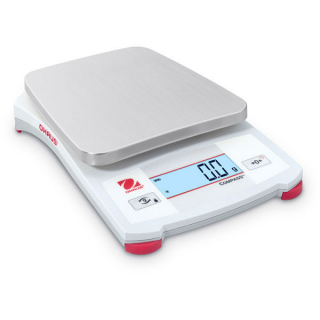 Portable Balance, 0.1 g - 220 g, OHAUS, USA
27,009.00৳
Portable Balance, 0.1 g - 220 g, OHAUS, USA
27,009.00৳
-
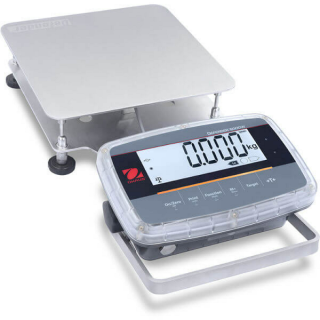 Bench Scale, 2 g - 30 kg, OHAUS, USA
617,890.00৳
Bench Scale, 2 g - 30 kg, OHAUS, USA
617,890.00৳
-
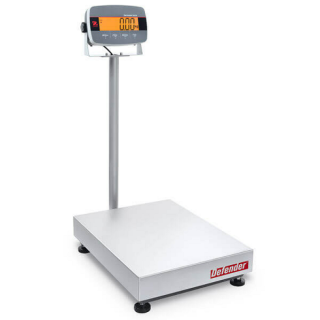 Bench Scale, 5 g - 60 kg, OHAUS, USA
151,606.00৳
Bench Scale, 5 g - 60 kg, OHAUS, USA
151,606.00৳
-
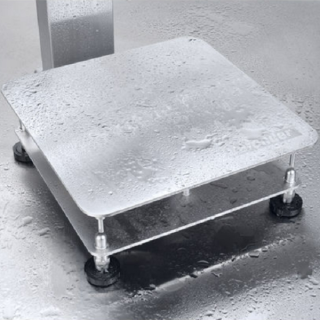 Bench Scale, 2 g - 30 kg, OHAUS, USA
393,666.00৳
Bench Scale, 2 g - 30 kg, OHAUS, USA
393,666.00৳
-
 Bench Scale, 10/20 g - 150/300 kg, OHAUS, USA
331,240.00৳
Bench Scale, 10/20 g - 150/300 kg, OHAUS, USA
331,240.00৳
-
 Bench Scale, 0.5 g - 15 kg, OHAUS, USA
155,428.00৳
Bench Scale, 0.5 g - 15 kg, OHAUS, USA
155,428.00৳
-
 Bench Scale, 0.5 g - 3 kg, OHAUS, USA
45,864.00৳
Bench Scale, 0.5 g - 3 kg, OHAUS, USA
45,864.00৳
-
 Extreme Environment Shaker
1,089,270.00৳
Extreme Environment Shaker
1,089,270.00৳
-
 6 block Digital Heater
447,174.00৳
6 block Digital Heater
447,174.00৳
Reviews
There are no reviews yet.